Benefits of Branding
If your business lacks a brand, you’re just a supplier.
There’s a significant difference between a business and a brand. Brands consistently outperform businesses across all metrics.
Why Is Branding Important for Business Growth?
A strong brand increases customer intimacy, advocacy, retention, and sales while lowering acquisition costs. This is not a soft marketing claim; it is a measurable business outcome supported by performance data across search, conversion, pricing, and customer lifetime value.
Can Branding Help Small Businesses Compete With Larger Companies?
Establishing a brand is essential to differentiating your company from competitors. In mature North American markets, where products are often comparable, and switching costs are low, brand becomes the primary mechanism through which businesses create preference. Without it, companies compete on price and availability. With it, they compete on meaning, relevance, and trust.
How Does Branding Reduce Customer Acquisition Costs?
Search behaviour reinforces this. The majority of clicks are concentrated in the top organic results, and users disproportionately select brands they recognize. This means brand strength directly influences click-through rates, conversion rates, and the efficiency of both organic and paid channels.
90%
Intangible assets, including brand and naming, now account for over 90% of S&P 500 market value. Ocean Tomo
2-3X
Companies with strong brands outperform the market by 2–3x in shareholder return over the long term. Interbrand
Author:
Chris Neary
Published:
If you’re competing on price, you don’t have a brand.
CHRIS NEARY – FOUNDER & STRATEGIST
What Are the Benefits of Branding for a Business?
1. Brand Recognition Drives Organic Traffic and Click-Through Rates
Brand recognition materially improves search performance. When users are presented with a list of results, they are far more likely to click on a brand they recognize, even when it is not the top-ranked result. This behaviour increases effective click-through rates and improves the value of existing rankings.
Over time, strong brands generate branded search demand, users searching specifically for your company name rather than generic category terms. These searches convert at significantly higher rates and are less competitive to capture. The result is a compounding effect where the brand reduces dependence on paid media while improving the efficiency of SEO efforts.
What Makes a Brand Successful in Competitive Markets?
2. A Strong Brand Builds Loyalty and Advocacy
Loyalty is not driven by product satisfaction alone. It is driven by alignment between what a company stands for and what the customer values. A brand provides the framework for that alignment by articulating purpose, character, and promise.
When this alignment is achieved, customers move beyond repeat purchase into advocacy. They recommend the brand within their networks, both online and offline, effectively becoming an extension of the marketing function. This reduces acquisition costs and increases trust, as peer recommendations carry more weight than paid communications.

3. Brand Equity Increases Perceived and Actual Value
Brand equity is the cumulative effect of consistent, relevant, and differentiated brand expression over time. It influences how customers perceive the value of a product or service before they experience it.
A strong brand can elevate perceived value by framing the product within a broader narrative of quality, innovation, or status. In many cases, it also enhances actual value by shaping expectations and improving the overall customer experience. This dual impact allows businesses to compete on more than functional attributes alone.
4. Strong Brands Build Trust and Credibility Faster
Trust is a critical determinant of conversion, particularly in categories where risk is perceived to be high. A well-defined brand signals legitimacy, stability, and professionalism before any direct interaction occurs.
In practical terms, this reduces friction across the customer journey. Prospects are more willing to engage, provide information, and complete transactions when the brand appears credible. This is particularly important in digital environments, where trust must be established quickly and often without human interaction.
5. Brands Command Premium Pricing
One of the most tangible benefits of branding is the ability to command higher prices. This is not simply a function of awareness, but of perceived differentiation and trust.
In categories ranging from consumer goods to professional services, branded offerings consistently achieve price premiums over comparable alternatives. Customers are willing to pay more because the brand reduces perceived risk and enhances perceived value. This directly impacts margin and profitability without requiring changes to the underlying product.
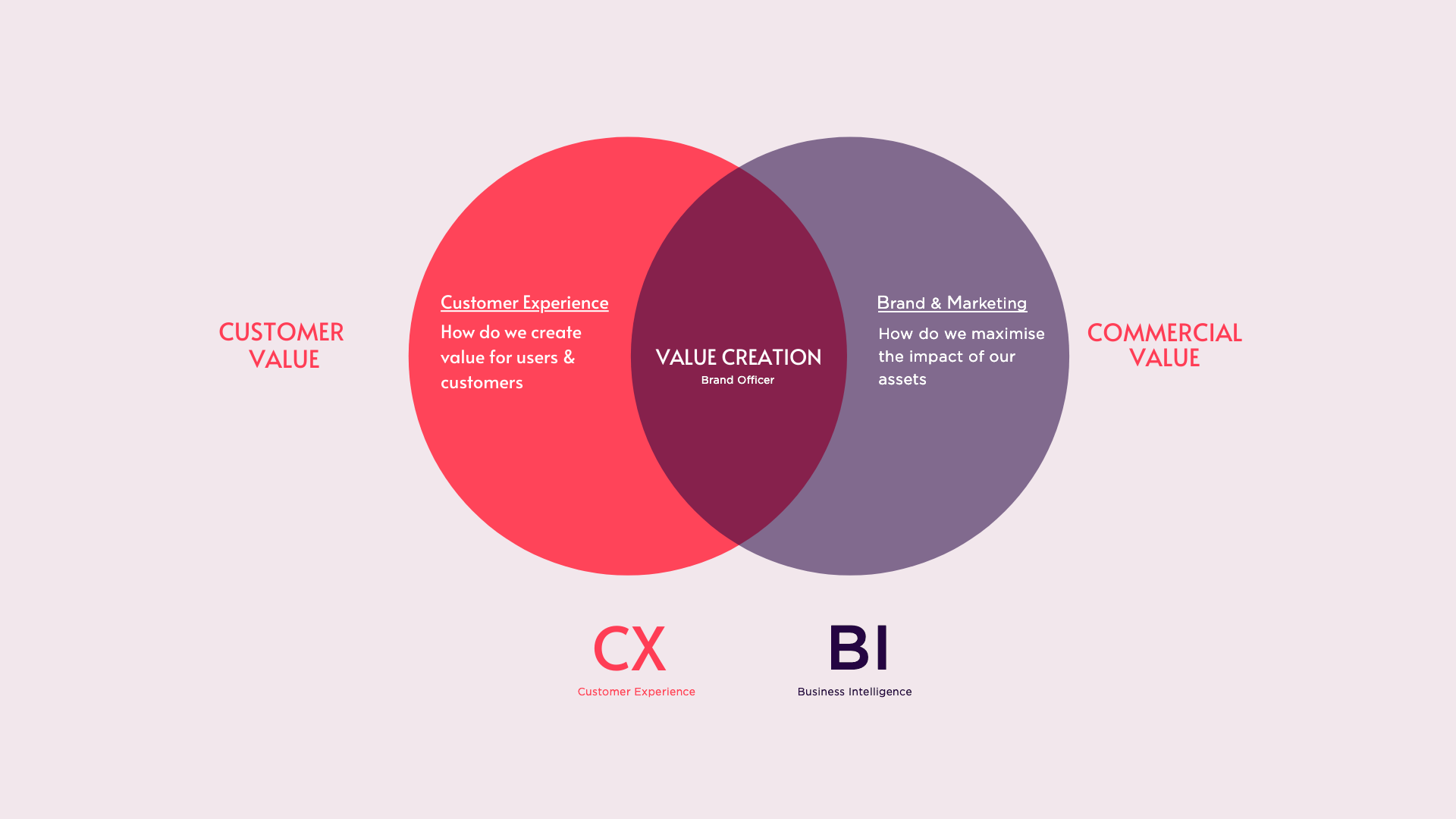
6. Branding Reduces Customer Acquisition Costs
A clear and consistent brand improves the efficiency of marketing spend. When positioning is well defined, messaging becomes more focused and campaigns are more likely to resonate with the intended audience.
This reduces wasted impressions and improves conversion rates across channels. Over time, as brand awareness increases, the business benefits from higher levels of direct traffic, branded search, and referral activity. These channels are inherently more efficient than paid acquisition, lowering overall customer acquisition costs.
7. A Brand Attracts Better Talent and Partners
Brand does not only influence customers, it influences stakeholders across the business ecosystem. A strong brand signals clarity of purpose, ambition, and credibility, making the organisation more attractive to high-quality talent.
The same applies to partners, distributors, and investors. Companies with well-articulated brands are easier to understand and align with, reducing perceived risk and increasing willingness to engage. This creates a reinforcing cycle where stronger relationships contribute to better business outcomes.
8. Brands Improve Conversion Rates Across Channels
Conversion is influenced by both rational and emotional factors. While product features and pricing address rational considerations, brand addresses emotional ones such as trust, familiarity, and confidence.
When a brand is recognised and trusted, customers are more likely to progress through the funnel. This improves performance across digital advertising, website interactions, and sales processes. The net effect is higher conversion rates from the same level of activity, increasing the return on marketing investment.
9. A Strong Brand Creates Resilience in Competitive Markets
Markets are dynamic. Competitors introduce new products, pricing fluctuates, and customer expectations evolve. A strong brand provides continuity in this environment by anchoring the business in a consistent set of values and associations.
This resilience allows companies to adapt their offerings without losing relevance or trust. Customers are more forgiving of change when it is delivered within a familiar brand framework. As a result, branded businesses are better positioned to navigate disruption and maintain market share.
10. Brands Turn Businesses into Long-Term Assets
Beyond immediate commercial benefits, a strong brand contributes to the long-term value of the business. It becomes an intangible asset that supports future earnings and strategic flexibility.
Brands enable expansion into new categories, improve negotiating power with partners, and increase overall company valuation. In financial terms, they transform a business from a collection of products and services into a scalable, enduring asset with compounding value.

What Is the Difference Between a Business and a Brand?
Brand Beats Business – Everytime
A business without a brand is merely a supplier. In competitive markets, that is a vulnerable position to hold.
Branding is not an exercise in aesthetics; it is a strategic discipline that influences how a business is perceived, chosen, and valued. When executed properly, it delivers measurable advantages across marketing efficiency, pricing power, customer loyalty, and long-term growth.
Frank Strategy has spent over 17 years helping businesses build brands that deliver these outcomes. The result is not simply better communication, but stronger, more competitive companies.
How Do You Turn a Business Into a Brand?
FAQs: Benefits of Branding for Business
What are the benefits of branding for a business?
The benefits of branding include increased customer recognition, higher trust, improved conversion rates, and the ability to charge premium prices. A strong brand also reduces customer acquisition costs by improving marketing efficiency and generating organic demand through word-of-mouth and branded search. Over time, branding transforms a business from a commodity provider into a differentiated, valuable asset that drives long-term growth and profitability.
Why is branding important for business growth?
Branding is important because it creates preference in competitive markets where products and services are often similar. A strong brand gives customers a reason to choose you beyond price or convenience.It supports growth by increasing customer loyalty, improving retention, and enabling expansion into new markets or offerings without starting from zero each time.
How does branding increase sales?
Branding increases sales by improving both conversion rates and customer lifetime value. When customers recognise and trust a brand, they are more likely to choose it, complete transactions, and return for repeat purchases.A strong brand also shortens the decision-making process, reducing friction and increasing the likelihood of purchase across digital and in-person channels.
How does branding reduce marketing costs?
Branding reduces marketing costs by making communication more efficient and effective. When your positioning and messaging are clear, campaigns require less effort to achieve results. Strong brands also generate organic traffic, referrals, and repeat business, all of which reduce reliance on paid advertising and lower overall customer acquisition costs.
What is the difference between a business and a brand?
A business is what you do, the products or services you offer. A brand is how people perceive and feel about what you do. Without a brand, a business competes primarily on price and availability. With a brand, it competes on meaning, trust, and relevance, which are far more powerful drivers of choice.
How do I turn my business into a brand?
Turning a business into a brand starts with defining a clear market position, understanding your audience, and articulating what makes you different. From there, you build a consistent identity across messaging, visual design, and customer experience. The goal is to create a coherent and recognisable presence that reinforces your value at every touchpoint.
How do I know what my brand is?
Your brand is defined by the intersection of three things: what your business stands for, how it behaves, and how it is perceived by customers. To clarify it, you need to conduct research into customer perceptions, competitive positioning, and internal values. The outcome should be a clear articulation of your purpose, positioning, and personality.
Can branding help a small business compete with larger companies?
Yes. Branding is one of the most effective tools for small businesses to compete with larger organisations.A strong brand allows smaller companies to differentiate, build trust quickly, and create emotional connections that larger competitors may struggle to achieve. This levels the playing field and enables more efficient growth.
How long does it take to build a strong brand?
Building a strong brand is a long-term process, but meaningful impact can be seen relatively quickly once strategy and execution are aligned. Initial gains often appear in improved engagement, conversion rates, and customer feedback. Over time, these effects compound into stronger recognition, loyalty, and market position.
What makes a brand successful?
A successful brand is clear, consistent, and relevant to its audience. It communicates a distinct position, delivers on its promises, and evolves with market conditions. The most effective brands align strategy, messaging, and experience, ensuring that every interaction reinforces the same core idea and strengthens customer trust.
If You Liked That, You’ll Love This…
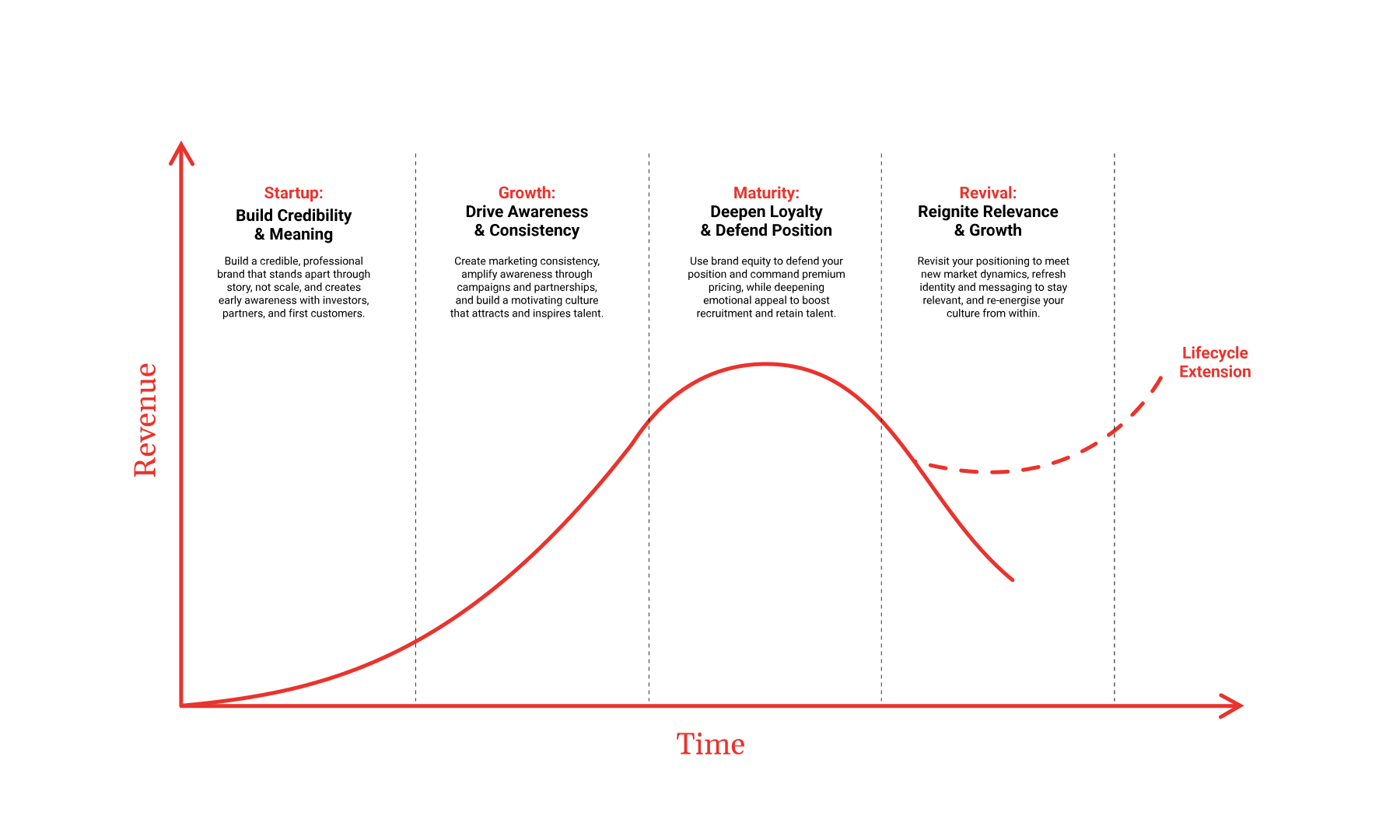
Branding has a different role at every stage of the business lifecycle. Put your money where it matters most.
Excluding exceptions like turnarounds or mergers, most businesses move through four stages: Startup, Growth, Maturity, Revival. Like any other business lever, branding contributes differently at each stage of that evolution. A smart brand investment for a company in Growth won’t deliver the same ROI for one in Startup or Decline. Working with a brand agency…

What’s the matter with young men?
In this article we uncover the main issues for young men, mostly in developed countries. This research is being conducted in support of our partnership with the Canadian Mens Health Foundation.

A Brand Strategist.
This article first appeared in Marketing Magazine in 2016. Our Founder, Chris Neary, offers insight into the role of a Brand Strategist in a competitive marketplace.