WHAT DOES A BRAND STRATEGIST DO?
A Brand Strategist makes you more relevant to your customers.
More relevance allows you to charge higher prices, attract the best employees, lower your marketing costs, achieve differentiation, and dominate your category.
BRAND STRATEGY FOR GROWTH
If you’re a founder, C-suite leader, or marketing director asking ‘what does a brand strategist do?’, you’re usually trying to answer a more practical question:
‘Will this help us grow, or is it just marketing theatre?’
Done properly, it is a growth (and valuation) lever. Most of the world’s most valuable companies are also some of the world’s most brand-obsessed companies, because brand is one of the highest value intangible assets on the balance sheet. Look at the global brand rankings, and you’ll see the usual suspects at the top: Apple, Microsoft, Google, and Amazon. They invest in brand the way other firms invest in factories.
In a market where intangible assets now account for the vast majority of market value, a business without a brand is merely a supplier. In today’s competitive marketplace, branding is the battleground. Without it, you’re only as valuable and relevant as your material goods. If you don’t have a brand strategy, you don’t have a complete business strategy.
$470B
Apples Brand Value at time of writing – demonstrating that brand is a tangible asset worthy of nurture.
90%
According to OceanTomo intangible assets now represent 90% of the S&P500 market value.
Author:
Chris Neary
Published:
A business without a brand strategy is merely a supplier. It will compete on price.
Chris Neary – Frank Strategy
HOW DOES BRAND STRATEGY HELP A BUSINESS
The brand strategist’s job.
At its best, brand strategy turns messy internal knowledge into a coherent market advantage. A strategist is someone who can translate complex ideas into clear, digestible communication for everyone involved. More importantly, the point of that clarity is to create:
- Differentiation you can defend
- Relevance your market actually cares about
- Consistency that compounds across every touchpoint
- Decision making that stops your team guessing
McKinsey’s B2B branding research makes the business case directly: brand is a central decision factor, strong brands correlate with higher EBITDA margins, and buyers pay more because strong brands reduce risk and simplify decisions.
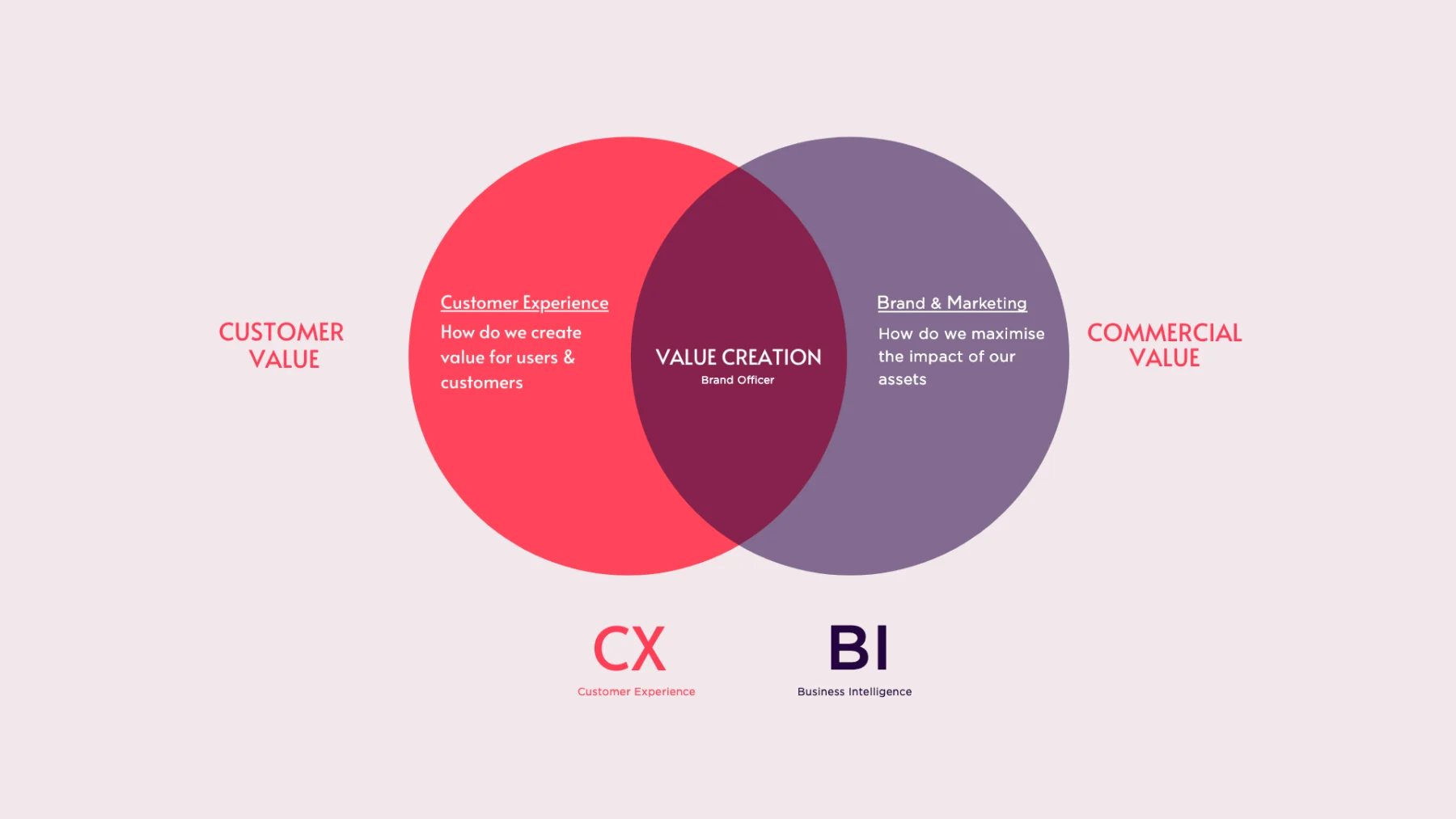
WHAT IS A BRAND STRATEGISTS ROLE
What a brand strategist actually does, day to day
Different strategists have different strengths, but the highest value work usually clusters into five practical areas
1- Diagnose the business and the market
A strategist starts with reality, not preference. That means research, interviews, competitive analysis, category expectations, customer motivations, internal stakeholder alignment, and the uncomfortable question, ‘why should anyone choose you?’ This is where proper brand research earns its keep, it replaces internal opinion with evidence, and it exposes gaps you can exploit.
2) Define a positioning you can own
Positioning is the strategist’s sharpest tool. It’s the deliberate choice of the ‘mental space’ you want to occupy in customers’ minds, distinct, defensible, valuable, and tied to how you compete. If you want the fastest explanation of what a strategist delivers, it’s this: they stop you sounding like everyone else.
3) Create a brand idea that moves you into position
A brand strategist works with leadership to shape a ‘brand idea’, a single organising concept that captures your company’s character and ambition, and turns it into something the market can grasp fast. It must matter to customers, employees, and stakeholders. The strategist pressure tests it against competitors, category norms, and your proof points, then uses it to define an ownable market space.
4) Turn strategy into words people can repeat
A strategy that can’t be repeated becomes a slide deck, and then it dies. This is where key messaging matters, the core value propositions and language your sales team, leaders, and marketers can use consistently. This includes foundational language like story, elevator pitch, and tagline, as well as language for marketing communications and customer service calls.
5) Align the company so the brand activates
This is the part most people skip, and then wonder why their ‘rebrand’ didn’t work. A brand strategist aligns leadership, departments, teams, and suppliers, and ensures decisions align with your external promise and internal reality. That can include employer branding and culture alignment, especially when hiring is part of the growth plan. It often involves developing alternative pricing structures, changing product roadmaps, redesigning customer touchpoints, and providing extensive brand training.
20%
Strong B2B brands outperform weak ones by 20 and generate higher EBITDA. https://www.mckinsey.com
WHAT DO YOU GET FROM A BRAND STRATEGIST
What are the tangible outputs a brand strategist creates?
Deliverables vary, but high utility outputs often include:
- Brand strategy and brand platform (purpose, vision, values, differentiators)
- Positioning definition and category point of view
- Messaging hierarchy, proof points, pitch language, brand narrative
- Audience and persona clarity, buying triggers, objections and handling
- Brand architecture, naming logic, offer structure
- Brand audit and metrics, what’s working, what’s wasting money
- Creative brief and identity direction, so the design is not subjective
- Experience principles, how the brand should behave in the real world
If you want to know whether a brand strategist is useful, look at what they improve commercially.
Higher conversion and lower sales friction.
Clear positioning and messaging reduce explanation time, improve website performance, and make sales conversations easier to win. McKinsey’s research highlights brand as a central factor in supplier choice and a mechanism for reducing buyer risk.
Pricing power and margin.
When you’re genuinely differentiated, you compete less on price. McKinsey also notes buyers will pay a premium for strong brands because they reduce effort and risk.
Less marketing waste.
Without a strategy, teams run tactics that feel busy but don’t build memory or preference. Strategy makes channel choices and creative direction more coherent, so your spend compounds rather than resetting with every campaign.
Stronger hiring and retention.
Employer brand is not HR fluff; it’s how you attract and retain high-performing people who deliver value to your customers. The cost of hiring comes down. Retention, engagement, and productivity go up.
Faster strategic decision making.
With a clear brand position and rules for behaviour, decisions get easier: product launches, partnerships, website rebuilds, naming, hiring, market expansion.
WHY HIRE A BRAND STRATEGIST
When should you hire a brand strategist?
If any of these feel familiar, it’s usually time:
- Customers don’t ‘get it’ quickly, and your team explains the business differently depending on who they talk to.
- You just went through a merger or acquisition and have multiple entities competing for dominance or clashing over culture.
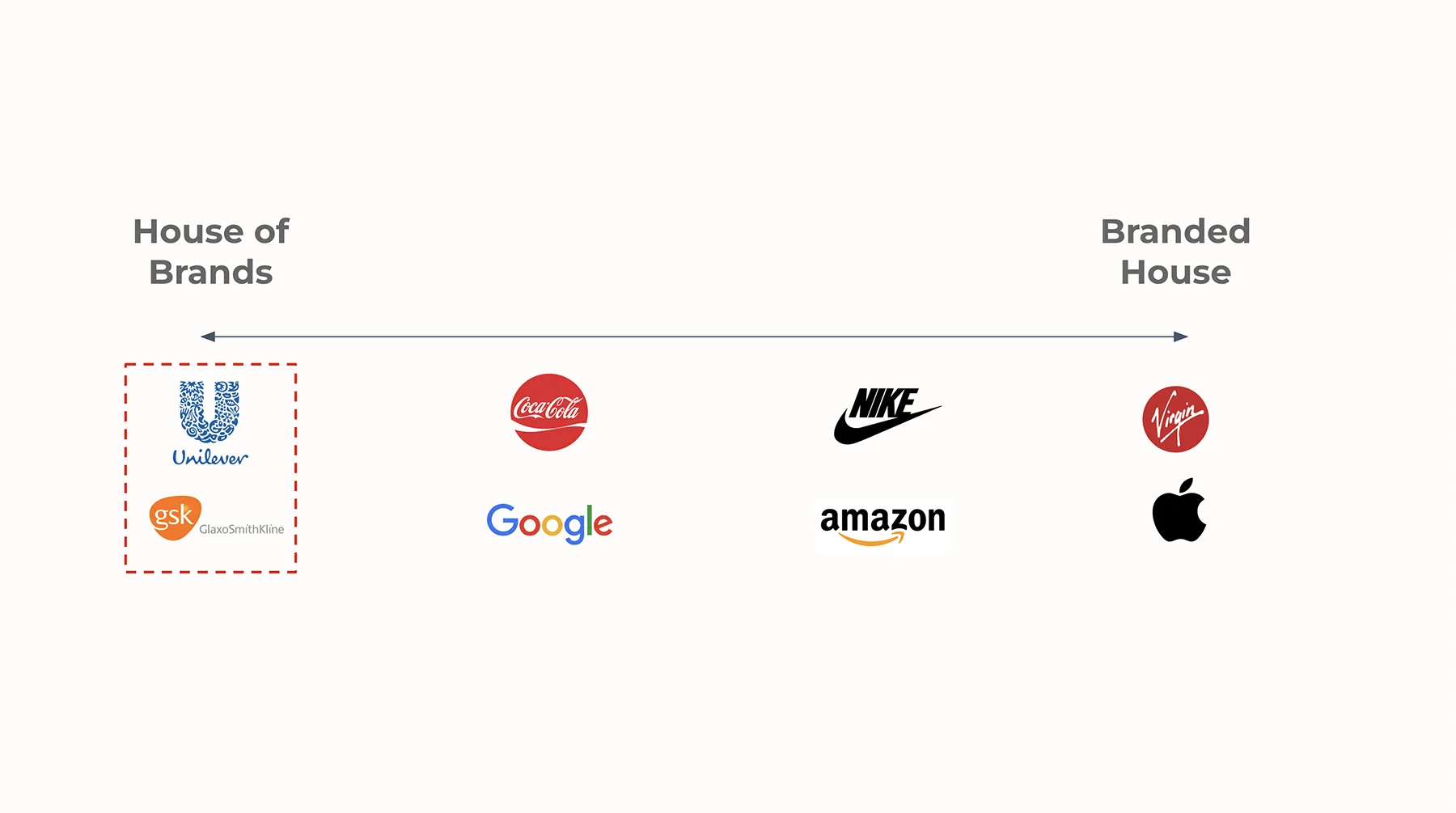
- You’re growing, entering new markets, launching new products or sub-brands, and the current master brand system won’t scale.
- You suspect you’re being priced like a commodity, even though you’re not one.
- Your marketing is active, but performance is flat, you look competent, but forgettable.
- The website is underperforming because the story is generic, not because the buttons are the wrong colour.
What to look for when hiring a brand strategist
A good brand strategist should be able to show thee traist, and tie their work back to business outcomes, not aesthetics:
- Evidence of research, not just taste
- The ability to make complex offers sounds simple
- Comfort with tough questions and an ability to confront truth
- A track record of aligning leaders and teams, not just writing copy
- Clear thinking about positioning, category dynamics, and differentiation
- Practical outputs your sales and marketing teams can use immediately
How to hire a brand strategist
To hire a brand strategist, look for proof they’ve built category-leading brands across multiple markets. Prioritize someone who works as a partner, embedded with your leadership team, not a typical consultant or overpriced agency that hides behind flashy decks and floods you with documents. You want pedigree, clear thinking, and a track record of making strategy usable, plus a network of trusted specialists they can bring in later, design, copy, digital, and research, so the work can move from decisions to execution without losing momentum.
FAQ
Can my marketing team do this internally?
Unlikely. Brand strategy is a specialized skillset that requires experience on both the client and agency side, in marketing, creative and business roles. The odds of you having those skills in-house, and knowing what process to follow, and having the objectivity to see things truthfully are slim. Lastly, the strategist often needs to have uncomfortable conversations with leadership and a marketing manager is not positioned to do so.
Is a brand strategist worth the investment?
If you’re competing in a crowded category, struggling to explain why you’re different, or discounting to win deals, strategy often pays for itself by improving conversion, reducing marketing waste, and increasing pricing power, especially in B2B where brand reduces perceived risk.
When is the best time to hire a brand strategist?
Typically, before a major growth moment, a new product or service launch, entering a new market, a merger, a website rebuild, or when your marketing is active but results are flat because the story is generic.
How do I know if we actually need brand strategy, not just better marketing?
If your team cannot articulate a consistent value proposition, your customers do not ‘get it’ quickly, and your marketing feels busy but not compounding, you likely need positioning and messaging clarity before more tactics.
What deliverables should a brand strategist produce?
Common outputs include a brand platform, positioning, messaging hierarchy, audience clarity, competitive narrative, and guidance that informs identity and experience. The best deliverables are usable by sales, marketing, and leadership, not just a deck.
Should I hire a freelance brand strategist or a branding agency?
Freelancers can be efficient for focused work if you already have internal leadership and execution capacity. Agencies often bring a broader team and end to end implementation. Choose based on complexity, speed, and how much execution support you need.
What’s the difference between a brand strategist and a marketing consultant?
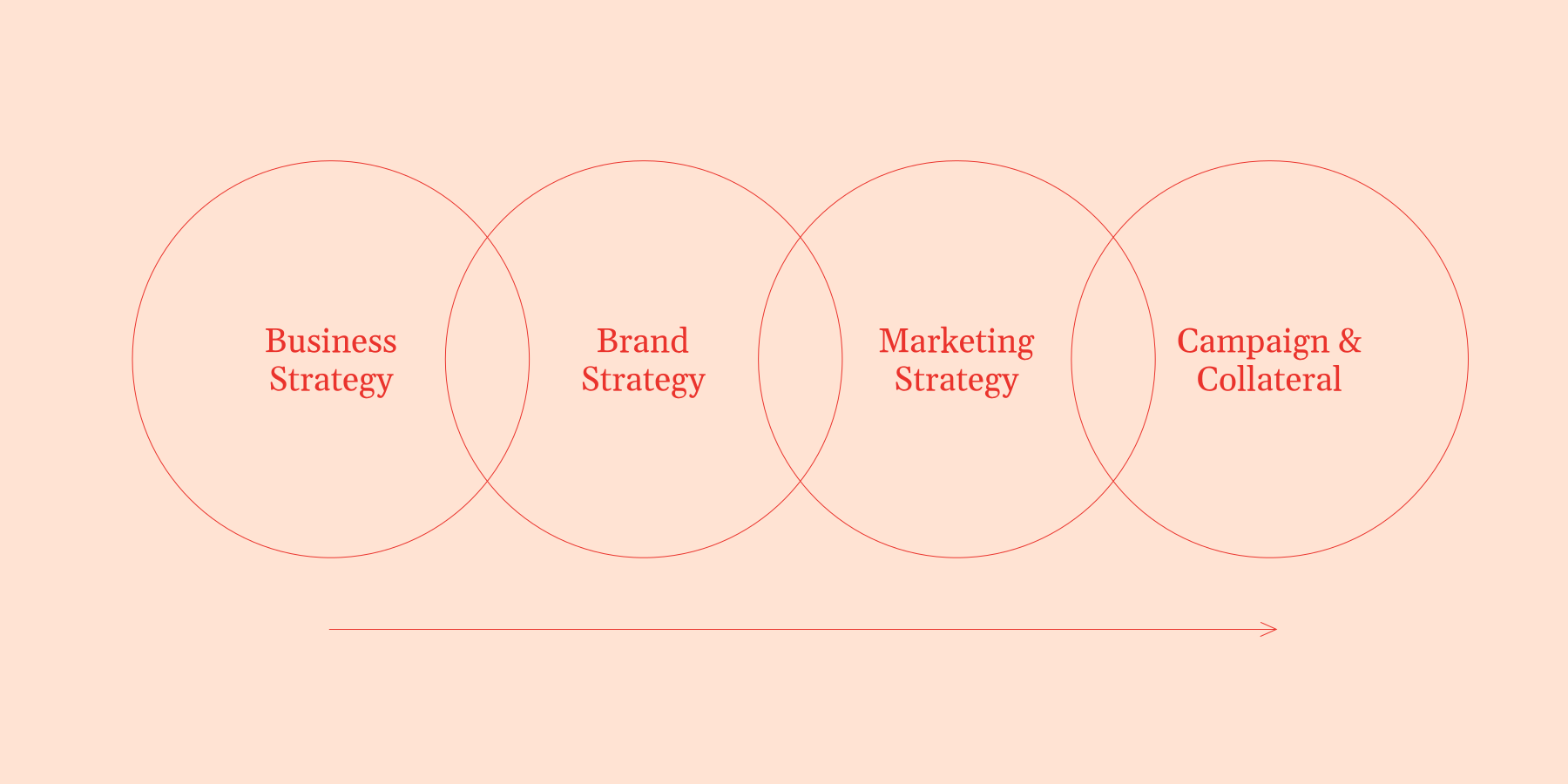
Brand strategy defines what you stand for, how you differentiate, and the system that guides identity and experience. Marketing then makes that visible and measurable through channels, campaigns, SEO, paid media, and content.
How long does a brand strategy project take?
Many engagements run a few weeks to a few months depending on research depth, stakeholder alignment, and whether identity, naming, or experience work is included. If you want speed, narrow scope and decision makers stay involved.
What questions should I ask a brand strategist before hiring?
Ask how they run research, how they define and validate positioning, what the process looks like, what you get at the end, how they measure success, and how they help implement, not just recommend.
How do you measure ROI from brand strategy?
Look for leading indicators like clearer conversion funnels, higher win rates, reduced discounting, improved website conversion, better recruitment quality, and stronger brand recall. Good strategists define success metrics early, then tie the work to commercial outcomes.
If You Liked That, You’ll Love This…
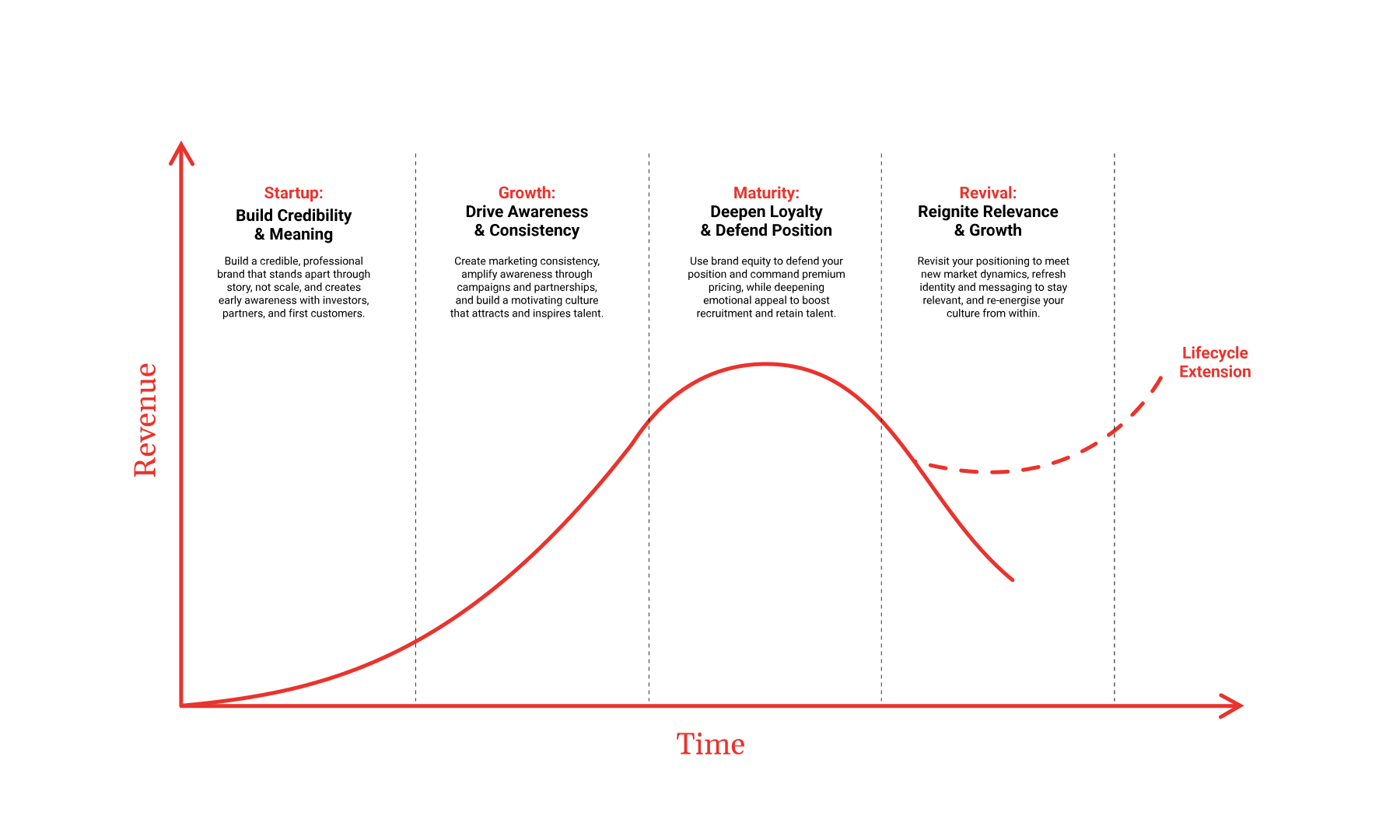
Branding has a different role at every stage of the business lifecycle. Put your money where it matters most.
Excluding exceptions like turnarounds or mergers, most businesses move through four stages: Startup, Growth, Maturity, Revival. Like any other business lever, branding contributes differently at each stage of that evolution. A smart brand investment for a company in Growth won’t deliver the same ROI for one in Startup or Decline. Working with a brand agency…

8 Ways a Brand Can Take Your Business to the Next Level
A brand allows you to reach the right audience, entrench yourself in a marketplace, and ultimately rise above the other businesses fighting for the very same audience and customers that you are. Without a defined brand, your business won’t have what it takes to capture that audience and customers, meaning your growth and success will…

What’s in a name? How Brand names help businesses become more marketable.
Effective brand names are rarely born out of thin air, and for most, picking an appropriate name is not as simple as a whiteboard brainstorm. Rather, the process is steeped in analysis, research, ideation and testing. Before there is a name to trademark, test, and create a tagline for, there are three vital steps to…